Gravel Driveways in Sugarcreek, OH
New gravel driveways and rebuilds of worn ones, shaped to shed water, with ditches and a culvert at the road. Around Sugarcreek and across Tuscarawas County.
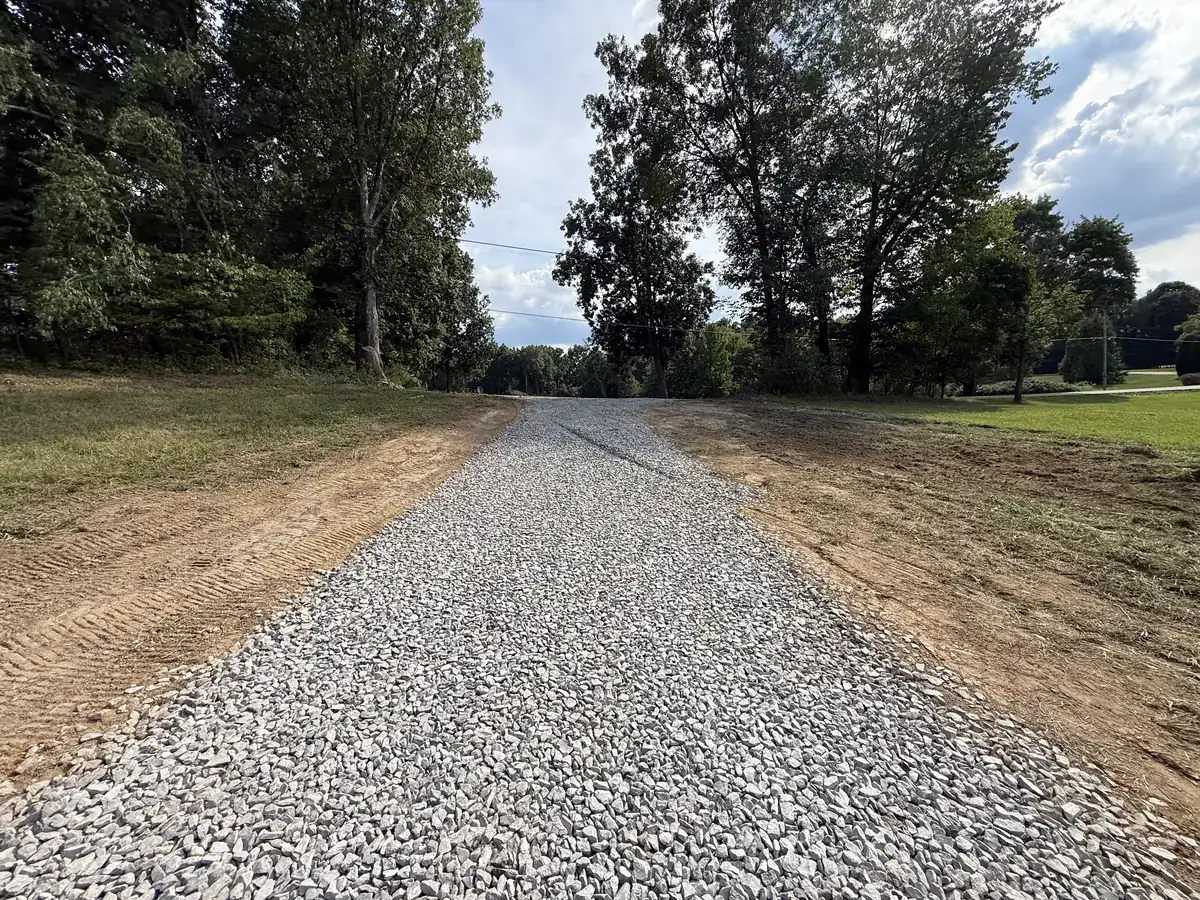
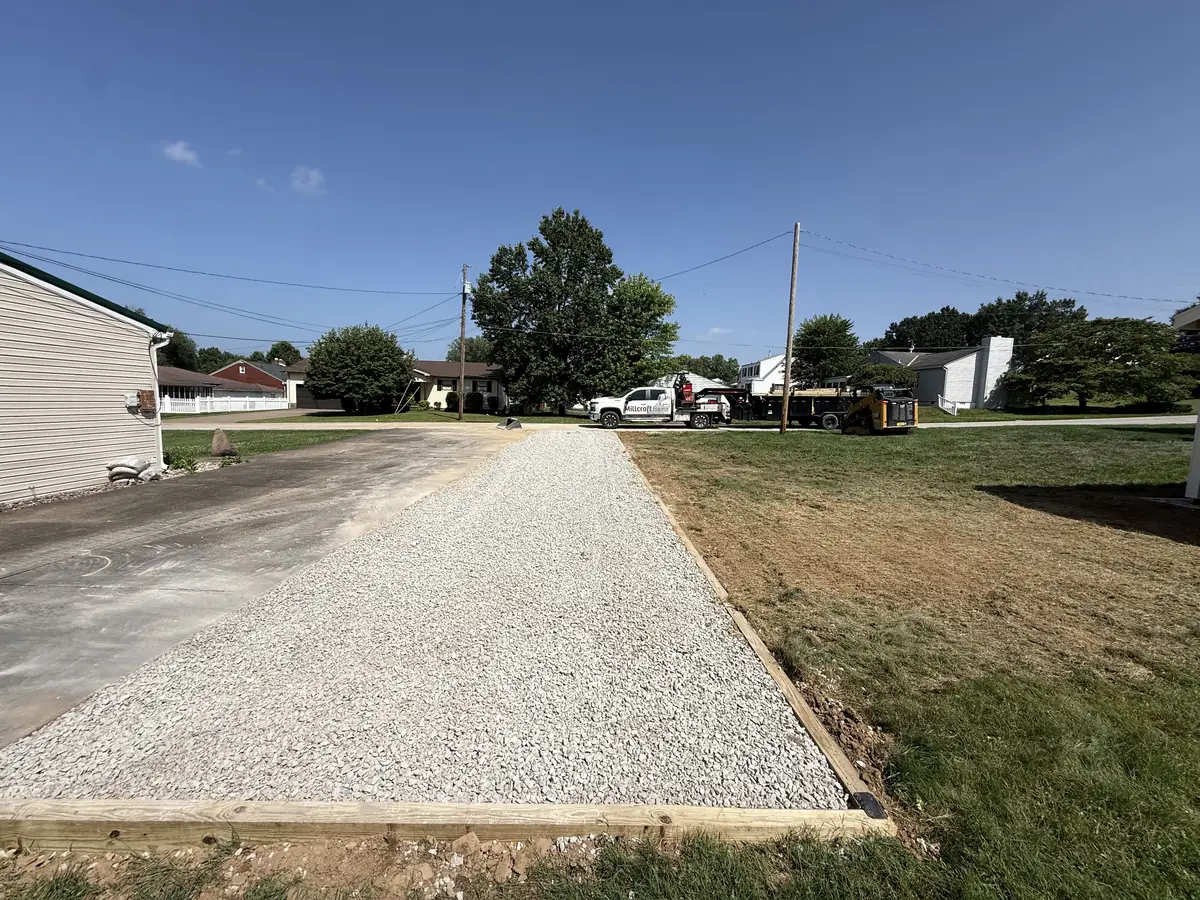
A gravel driveway is a drive built from layers of packed crushed stone over a prepared base, with a crown and side ditches so rain runs off before it can soak in and wash the stone out.
Most gravel driveway problems come back to water. Pro Dirt Works builds new gravel driveways and rebuilds worn ones in Sugarcreek and across Tuscarawas County. We shape a crown so rain runs off, cut ditches where they're needed, and put in a culvert at the entrance. If your drive keeps washing out, text photos to (330) 988-4342.
A Driveway Is Only as Good as Its Drainage
Potholes and washouts on a gravel drive usually start in the same place: where water sits on the drive or runs down the middle of it. Ruts and soft spots too. Pro Dirt Works builds new gravel driveways around Sugarcreek and Tuscarawas County, and fixes worn ones, with that in mind. We get the base right and shape the surface to shed water. Then we give the water somewhere to go, with ditches and a culvert at the road. It isn't the cheapest way to put stone down. It's the way that keeps you from paying for the same driveway twice.
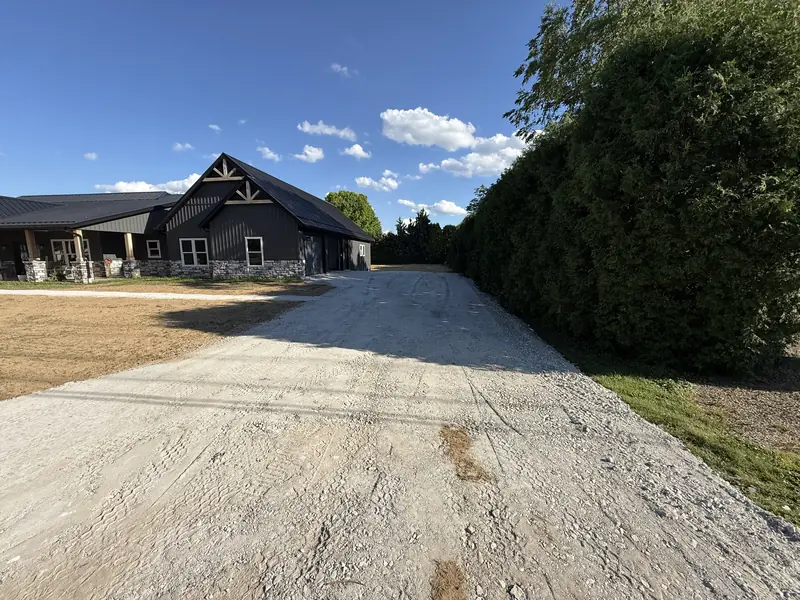
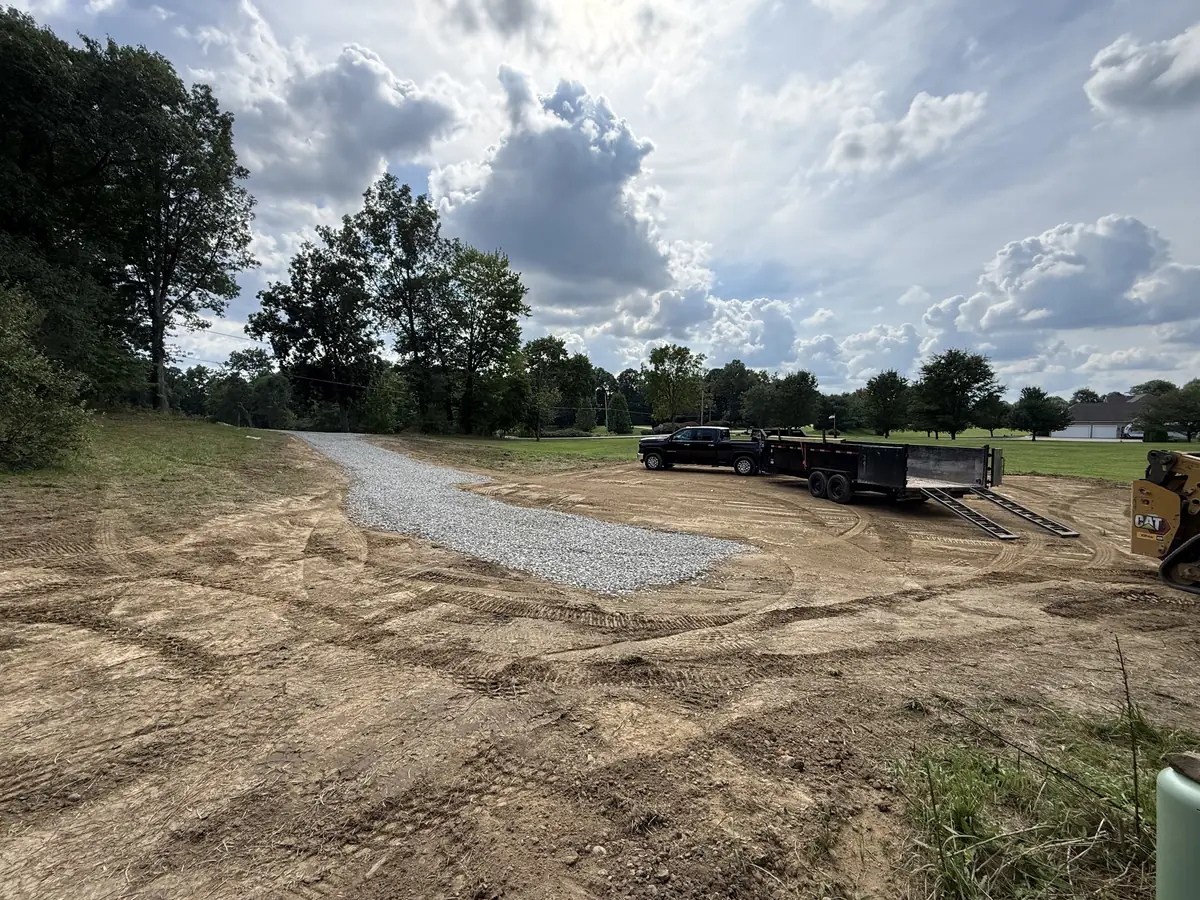
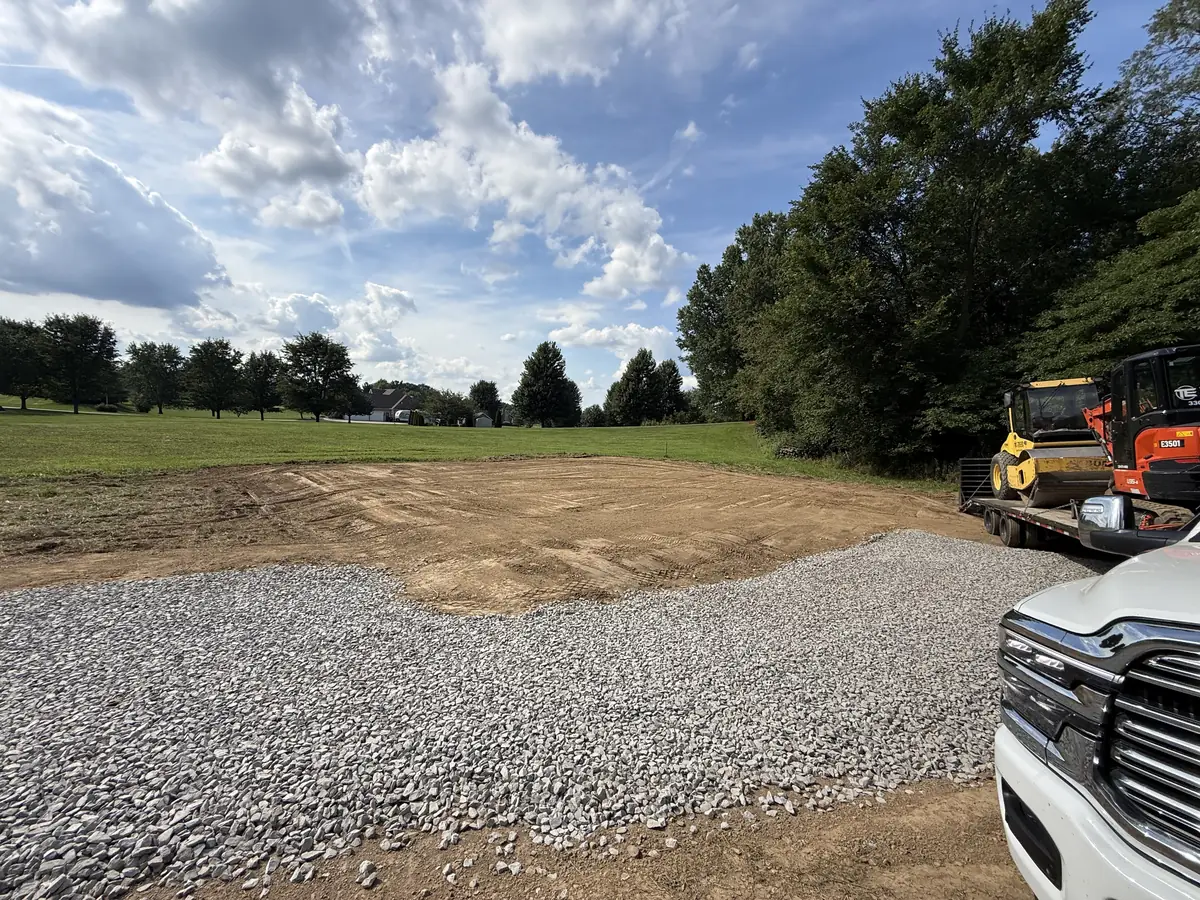
A new gravel driveway starts with the ground under it. Topsoil and sod stay soft and swallow stone, so we strip them off. Then we shape the subgrade and pack it. Soft or wet ground may need a heavier base or extra prep. We'll tell you that up front, so you don't find out after the first spring thaw. Stone goes down in layers. Bigger stone at the bottom gives it strength, and a finer top layer packs into a hard surface to drive on. We lay out the path with you. Think about the turns a delivery truck or trailer needs, and where you'll park. A turnaround is worth a look too, so nobody has to back out onto the road.
The crown is the most overlooked part of a gravel drive. It's a slight hump down the middle, so rain runs off both sides. Without one, water puddles in the center or runs down the tire tracks, and every rain digs the low spots a little deeper. Ditches or swales along the sides carry that water away to a place it can drain. A sloped drive is harder. Water wants to run straight down the stone, so the drive may need to be shaped to turn water off to the side at a few points on the way down. Before we start, we figure out where your water comes from and where it can go. That decides how long the stone stays put.
Not every bad driveway needs to be torn out. Plenty of old drives still have good stone in them. It's just been pushed to the edges or pressed down into the ruts, with mud worked in. Regrading means cutting the drive back down and pulling that stone back to the center. Then we reshape the crown and pack it. Sometimes that's all it takes, plus a fresh top layer. A drive with deep soft spots or a failed base needs more. Those spots get dug out and rebuilt, so they stop coming back every spring. We'll look at your drive and tell you which kind it is. If a regrade and new top stone will fix it, that's what we'll recommend.
Where your driveway crosses the roadside ditch, it needs a culvert pipe so water keeps moving under the entrance. A pipe that's too small or plugged sends water across the drive and onto the road. A crushed one does the same. We put in culverts on new driveways and replace ones that have failed. Before any work at the road, check with whoever maintains it. On a Tuscarawas County road, the County Engineer requires a driveway permit for a new driveway or a change of use. The office approves the pipe location, type, and size before it issues the permit. On a township road, check with the township trustees, since Ohio law lets townships require a permit for driveway culverts. On a state route, check with ODOT. Inside village or city limits, check with the village or city.
Common Uses for Gravel Driveways
- ✓New gravel driveways for homes and farms
- ✓Regrading rutted or potholed drives
- ✓Rebuilding soft spots and washouts
- ✓Culvert installation at the driveway entrance
- ✓Replacing crushed or plugged culverts
- ✓Turnarounds and parking areas
Why Choose Gravel Driveways
Built to shed water
A good crown and side ditches move water off the drive. That does more to stop potholes and washouts than anything else.
Base first, stone second
We prep the ground under the stone so the drive won't sink and rut the first wet spring.
Fix it if fixing works
If your old drive only needs a regrade and fresh top stone, that's what we'll tell you. No rebuild you don't need.
Back within one business day
Something wrong with our work? We come back within one business day to make it right.
Our Gravel Driveways Process
Send photos of the drive, or the path you have in mind, to (330) 988-4342. Include where it meets the road. From photos we can often give a rough range.
We walk the route and look at slope, soil, and drainage. We'll note what kind of road the entrance is on, so you know which office to ask about a permit.
Permit and culvert details get settled before any work at the road. OHIO811 is notified at least two working days before we dig.
We prep the base, set the culvert, and cut the ditches. Then the stone goes down in layers and gets packed with a crown.
We clean up the edges, leave a neat grade along the sides, and walk the drive with you.
Gravel Driveways Pricing
Length and width come first. After that it's how much base prep the ground needs, how deep the stone goes, the slope, whether you need a culvert, and how much dirt gets hauled off. Text a few photos to (330) 988-4342 and we can often send a rough price range the same day. Estimates are free.
Gravel Driveways FAQ
Common questions about gravel driveways in Tuscarawas County and East-Central Ohio.
Length and width come first. After that it's how much base prep the ground needs, how deep the stone goes, the slope, whether you need a culvert, and how much dirt gets hauled off. Send photos and we can often give a rough range. Estimates are free.
Often, yes. A worn drive may still have good stone that's been pushed aside or pressed into ruts. Regrading pulls it back, rebuilds the crown, and packs it, usually with a fresh top layer. Soft spots with a failed base have to be dug out and rebuilt.
That depends on who maintains the road. On a county road, the Tuscarawas County Engineer requires a driveway permit for a new drive or a change of use and approves the pipe first. Their posted specs call for a pipe at least 40 feet long and 12 inches across, but check with their office before you buy pipe. Township road? Check with the township trustees. State route? Check with ODOT. Inside a village or city, check with them.
Usually water. With no crown, water sits in the middle and tires pound it into holes. If water runs down the drive, or there's no ditch to carry it off, the stone washes out. Fix the shape and the drainage first. That's where most pothole trouble starts.
Yes. We put in culverts at the driveway entrance and replace crushed or plugged ones. Check with the office that maintains your road first. They may require a permit and set the pipe size.
Yes. We can clear the path, do the site prep for the building, and build the drive in the same job. That way the drive lines up with the garage or barn doors and drains the right way.
Related Services
Where We Offer Gravel Driveways
Last updated
Ready for Gravel Driveways?
Get a free, no-obligation estimate for your gravel driveways project.
Serving Tuscarawas County and East-Central Ohio · Mon-Sat 8am-5pm